
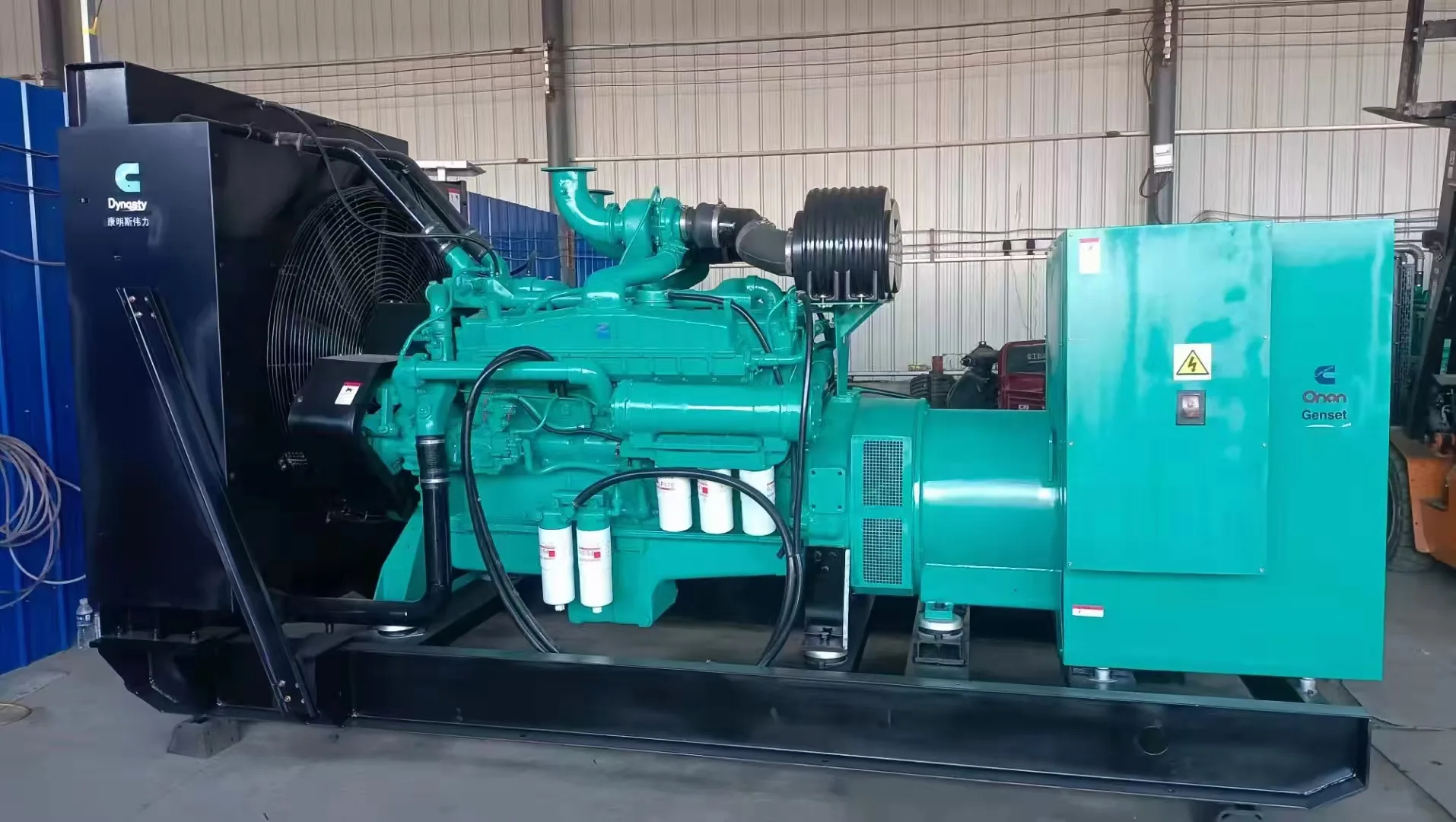
Diesel generator sets · 50 Hz and 60 Hz
Diesel Generator Sets from 20 kVA to 2000 kVA
Generator sets for standby and prime power — single units and parallel systems — supplied from 20 kVA up to 2000 kVA for projects in the Middle East, Africa and South Asia.
Power ranges
What each power range is used for
| Rating | Typical duty | Usually configured as |
|---|---|---|
| 20–100 kVA | Retail units, telecom cabinets, small offices, villas | Single-phase or three-phase, open frame or small canopy |
| 100–300 kVA | Offices, hotels, clinics, small factories | Three-phase canopy, optional automatic transfer switch |
| 300–800 kVA | Hospitals, production lines, data halls | Three-phase canopy or containerised, parallel-ready control |
| 800–2000 kVA | Data centres, large plants, marine and rental fleets | Containerised or open skid, multi-set parallel configuration |
Power range pages
Sizing starts with the power range. Each page carries the rating, the typical specification envelope for the class and the applications it suits.
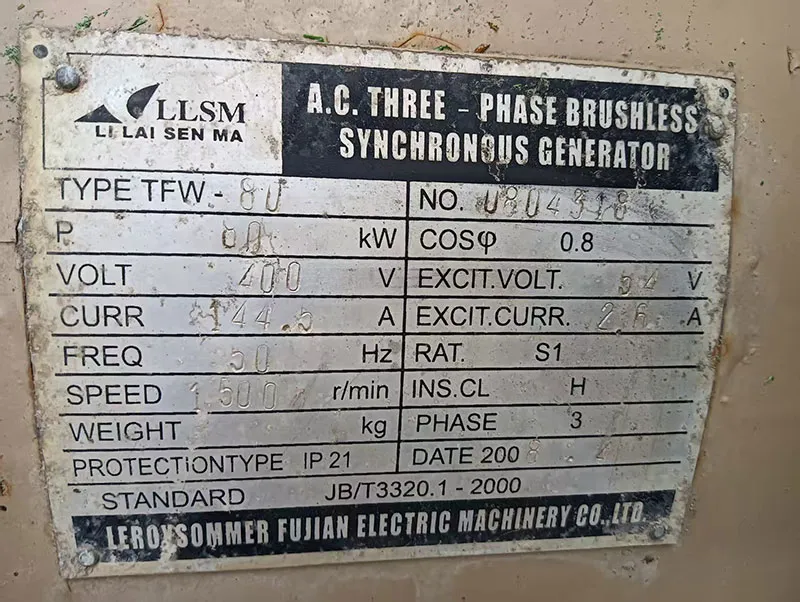
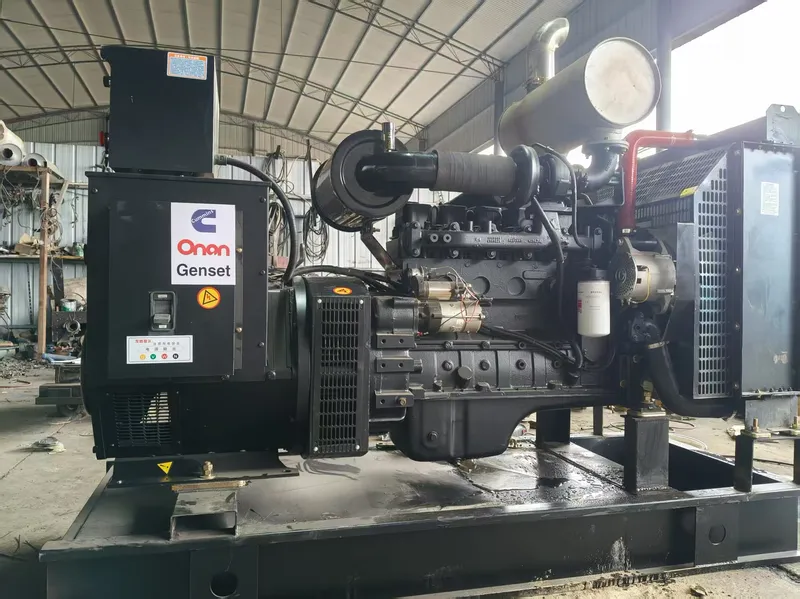
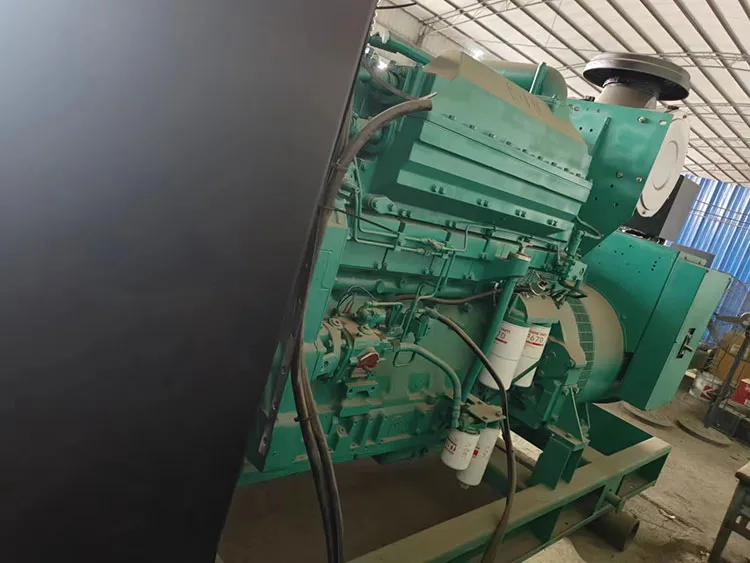
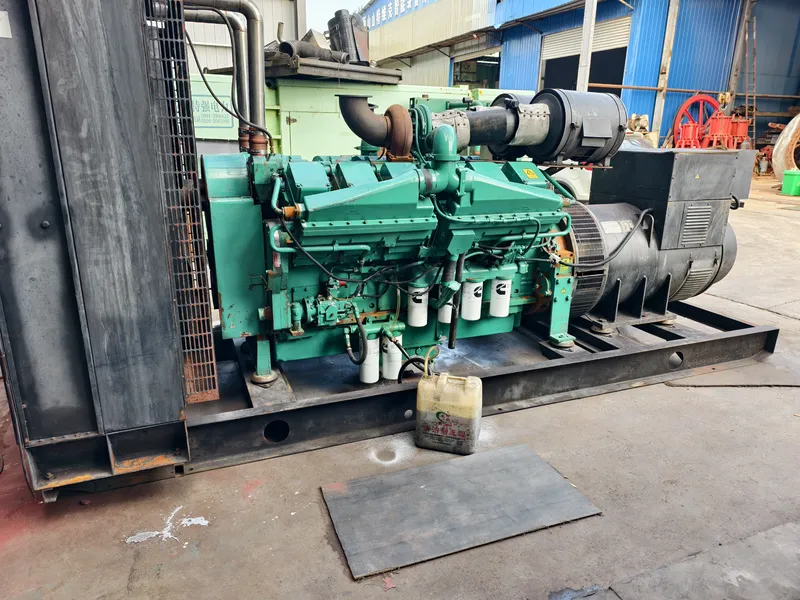
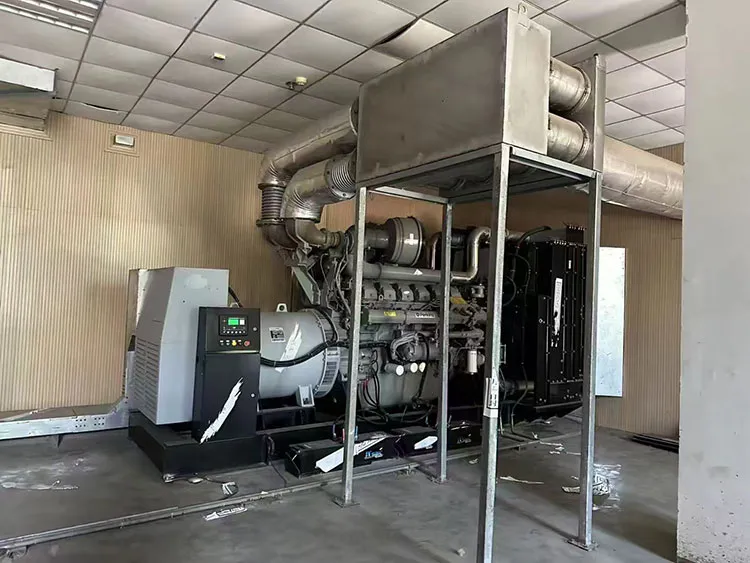
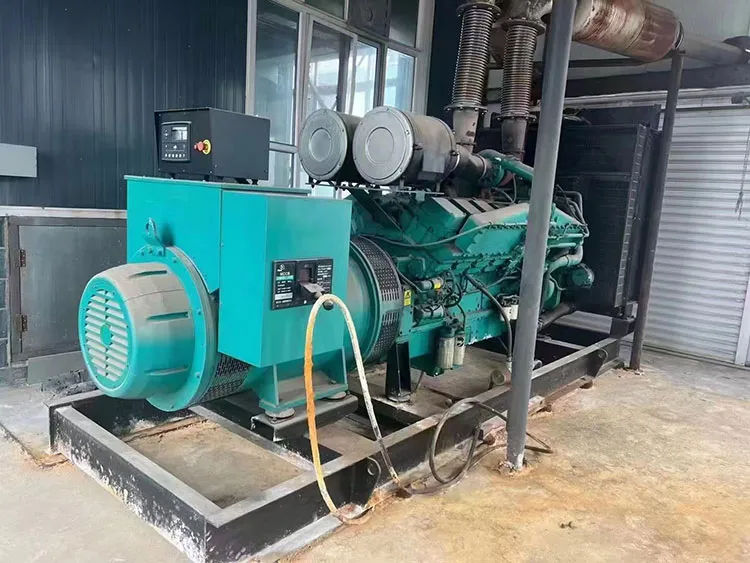
Form factors
Silent, containerised, trailer-mounted or open frame
-
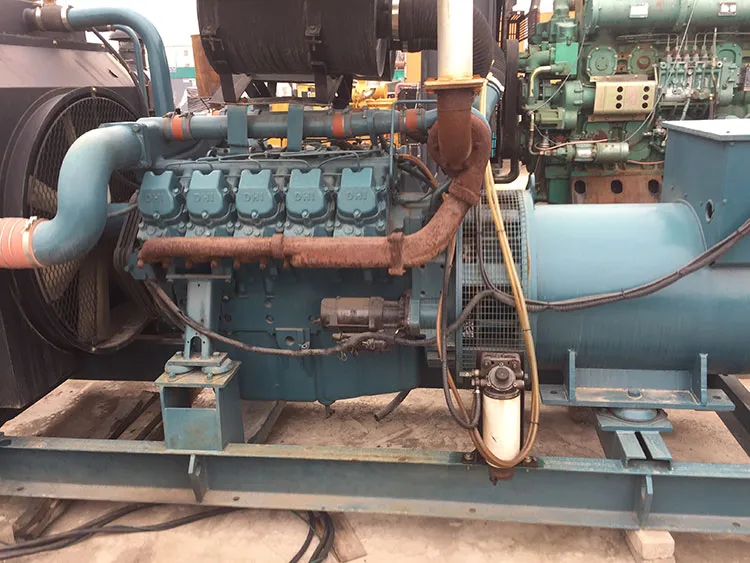
Silent canopy
-
Containerised
Set, tank and controls inside a 20 ft or 40 ft container. Suited to data centres and remote sites where weather protection and service access both matter.
-
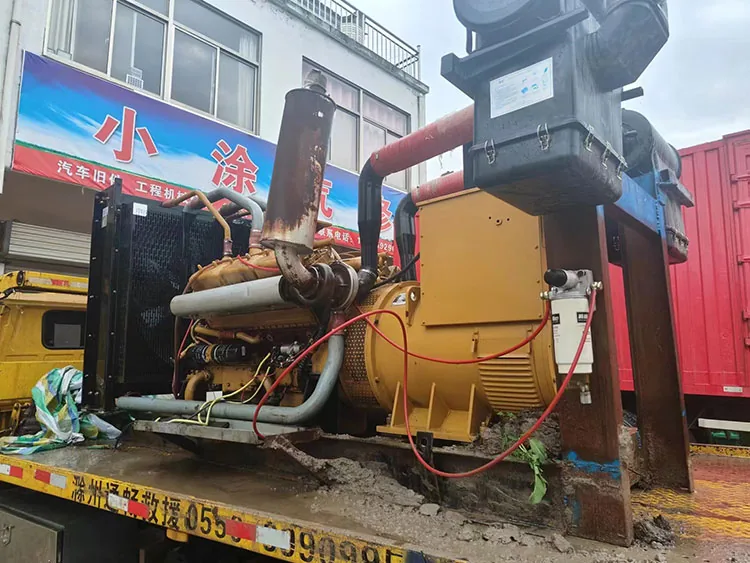
Trailer-mounted
-
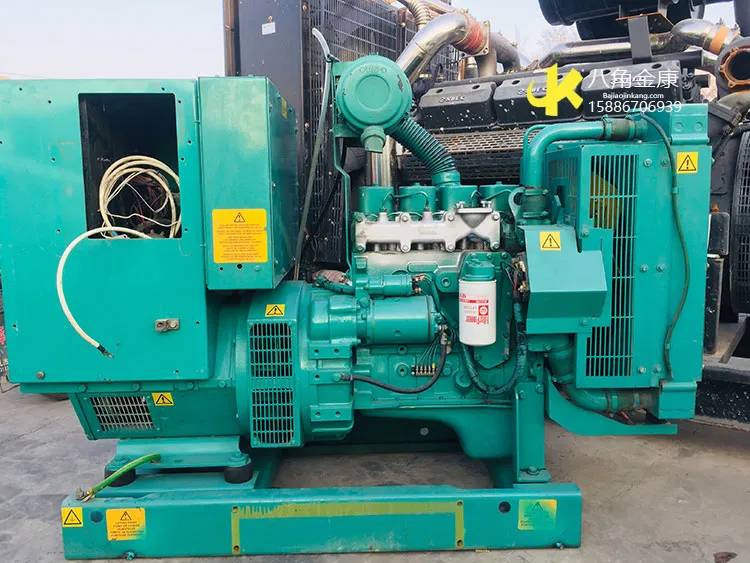
Open frame
Engines and alternators
Engine makes commonly specified in these power classes
Sets in the 20–2000 kVA band are normally built around industrial diesel engines from Cummins, Perkins, Volvo Penta, Weichai, Yuchai, Deutz, Kubota, Yanmar or Lovol, coupled to brushless alternators such as Stamford, Leroy-Somer or Marathon. Engine speed sets the frequency: 1500 rpm for 50 Hz, 1800 rpm for 60 Hz.
Tell us which engine make your project specifies, or ask us to confirm what is available against the rating you need.
Specification
Four numbers decide the set you need
-
1. Load and starting current
Add the running kW of everything that must operate at the same time, then check the largest motor: a direct-on-line motor draws roughly six to seven times its rated current for the first seconds.
-
2. Prime or standby
Prime power for continuous variable duty, standby for mains failure only. The same machine carries a different rating for each, defined in ISO 8528-1.
-
3. Voltage, frequency, phase
400/230 V at 50 Hz and 480/277 V at 60 Hz are the usual export builds; 380 V, 415 V and 440 V are also common in the region.
-
4. Site conditions
Ambient temperature above 40 °C, altitude, dust and salt air all reduce the usable rating, so they belong in the enquiry.
Standards and documents
What the ratings on a datasheet mean
| Standard | What it fixes |
|---|---|
| ISO 8528-1 | The duty ratings: emergency standby (ESP), prime (PRP), continuous (COP) and data centre (DCP). |
| ISO 3046 | Engine performance — power and fuel consumption, and how they are corrected for temperature, altitude and humidity. |
| IEC 60034 | The alternator: insulation class, temperature rise and voltage regulation. |
| ISO 8528-5 | Transient behaviour when load is switched on — how far and how long voltage and frequency dip. |
Ask for the datasheet, type test report and wiring diagram for the exact rating you are specifying; those three documents are what most tender reviews ask for first.
Questions
Common questions
How many kW is a 500 kVA generator?
At the standard 0.8 power factor, 500 kVA equals 400 kW. A 500 kVA set at 400 V three-phase delivers about 722 A per phase. If the load runs at a lower power factor, the usable kW falls while the kVA rating stays the same.
What is the difference between prime power and standby power?
Under ISO 8528-1, prime power (PRP) covers continuous variable load with a 10% overload permitted for one hour in every twelve. Emergency standby power (ESP) is limited to around 500 hours a year and may not be run overloaded; it is quoted higher than the prime rating of the same machine.
Can a 50 Hz generator set be converted to 60 Hz?
Not by changing a setting. Frequency follows engine speed — 1500 rpm gives 50 Hz, 1800 rpm gives 60 Hz — so a 60 Hz build needs a different engine setting and in most cases a different alternator. Order the frequency you need.
What information do you need to size a set?
A load list with running kW and starting current, the largest motor that starts direct-on-line, the autonomy you want (for example eight hours at 75% load), the ambient temperature and altitude of the site, and whether the set must be silent, containerised or mobile.
How long can a generator set run on its own tank?
Autonomy is a tank size question rather than a generator question. Base tanks normally cover eight to ten hours at full load; longer autonomy is met with a separate bunded tank or a containerised set with an internal tank.
Send us your load list
Tell us the running kW, the starting current, the voltage and the frequency. We will reply with the rating and the build options that fit.